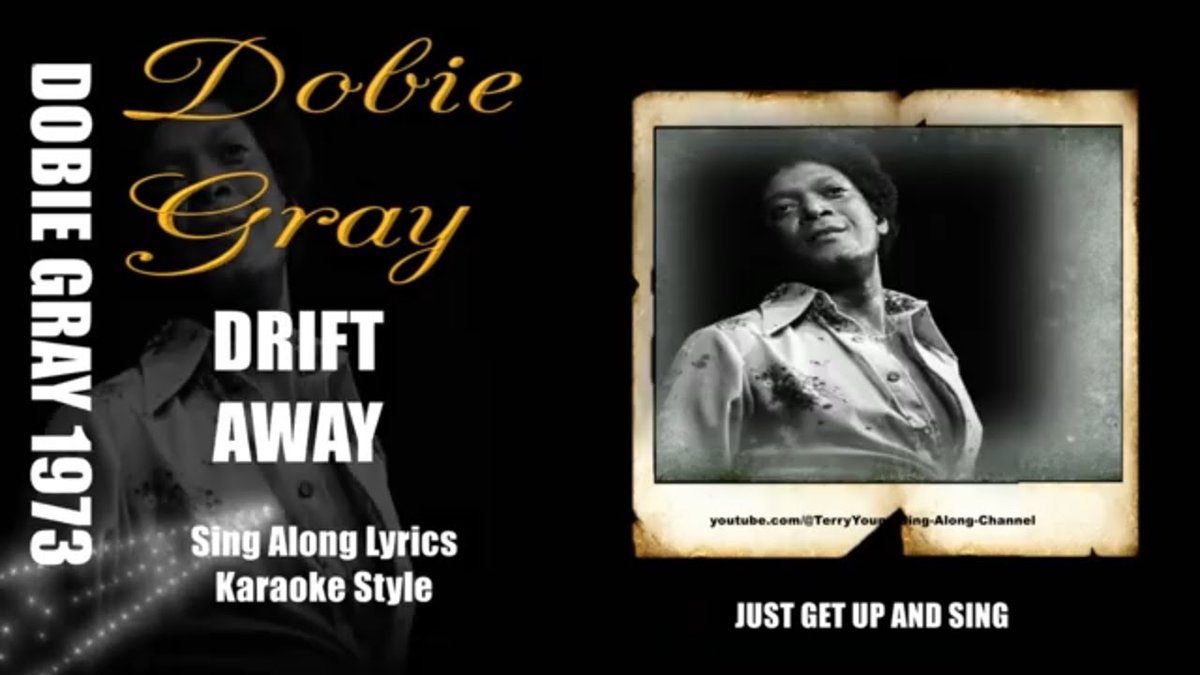
Imagine standing on top of the world, millions singing your song, the roar of the crowd a deafening testament to your genius. Then, just as quickly, the spotlight begins to dim, and the phone calls for new deals dwindle. You've struck gold, achieved musical immortality with one unforgettable track, but subsequent efforts never quite catch fire. This is the intriguing, often complex reality at the heart of The 'Worth It' Debate: One-Hit Wonders & Their Legacy.
Is it a blessing or a curse to be forever defined by a single moment of brilliance? To have reached the peak, if only for a fleeting instant, or to have never climbed the mountain at all? Let's peel back the layers of this fascinating phenomenon.
At a Glance: Key Takeaways on One-Hit Wonders
- Definition Nuance: A "one-hit wonder" is an artist primarily known for one wildly successful song, regardless of other material they may have released.
- Big Benefits: A single hit can provide significant financial stability, industry recognition, and cultural immortality.
- Major Challenges: Artists often face typecasting, financial precarity due to contracts, and immense psychological pressure.
- Strategic Survival: Diversifying income, rebranding, and leveraging nostalgia are key to a sustained career.
- Digital Resurgence: The modern music landscape offers new avenues for past hits to find new life through viral trends.
- Personal Equation: Whether it's "worth it" depends on individual goals, adaptability, and how well an artist leverages their initial success.
When Lightning Strikes: Defining the Echo of a Single Song
The term "one-hit wonder" carries a certain weight, often a dismissive one. It points to an artist or band that experienced a meteoric rise with a single, universally recognized song, only for their subsequent releases to fall short of that initial impact. Think of A-ha's "Take On Me," Dexys Midnight Runners' "Come on Eileen," or Vanilla Ice's "Ice Ice Baby." These tracks became anthems, defining moments in pop culture history.
But the label itself can be a bit of a misnomer, sometimes overlooking a broader body of work. Many artists branded as one-hit wonders might have had successful careers in specific genres, released acclaimed albums, or even had other minor chart entries that just didn't reach the same stratospheric level. Yet, for the general public, that one song is the indelible mark. Some artists embrace it, using it as a foundation for a loyal fanbase and career opportunities. Others find it deeply frustrating, a constant reminder that their other material didn't get the same spotlight.
The Golden Ticket: Unpacking the Rewards of a Single Smash Hit
Achieving a single, massive hit is akin to winning the lottery in the music industry. It's an improbable feat that can yield profound benefits, both tangible and intangible.
A Financial Windfall That Lasts
The most immediate and often life-changing benefit is the financial reward. A global hit can generate substantial income through various channels:
- Record Sales & Streaming Royalties: Even in the streaming era, a massively popular track racks up billions of plays, each contributing a tiny royalty that quickly adds up.
- Licensing Deals: Your song becomes a hot commodity for film, television, commercials, and video games, bringing in significant licensing fees.
- Radio Play: Consistent airplay across the globe translates into performance royalties, often for decades after the song's initial release.
For artists who own their publishing rights or have favorable contract terms, a single hit can truly support them financially for years, potentially even a lifetime. It's a testament to the enduring power of a successful composition. Understanding music royalties and publishing can be a labyrinth, but securing a piece of that pie is paramount for long-term stability.
Industry Validation and Open Doors
Beyond the money, a hit song provides invaluable industry recognition and credibility. Suddenly, you're not just another aspiring musician; you're an artist with a proven track record of captivating audiences. This opens doors that were previously bolted shut:
- New Record Deals: Labels are more willing to invest in an artist who has already demonstrated mainstream appeal.
- Collaborations: Established artists and producers might suddenly be interested in working with you.
- Live Performance Opportunities: From stadium tours to festival slots, a recognizable hit guarantees an audience eager to hear "that song."
- Non-Music Ventures: The spotlight from a hit can lead to opportunities in acting, producing, DJing, or even launching other businesses, leveraging your newfound fame.
Cultural Immortality and Enduring Legacy
Perhaps the most unique benefit of a one-hit wonder is a form of musical immortality. Your song transcends mere entertainment to become a cultural touchstone. It gets played at weddings, sporting events, and karaoke bars. It defines a generation, evokes powerful nostalgia, and resurfaces through internet trends, reaching entirely new audiences. For examples of songs that have etched themselves into our collective consciousness, you might want to explore Our Worth It song guide.
These tracks become timeless, a permanent fixture in the soundtrack of our lives. Even if the artist themselves fades from the limelight, the song continues to live on, echoing through time.
The Shadow Side of Stardom: Navigating the Pitfalls
While the allure of a hit is undeniable, the journey of a one-hit wonder is often fraught with unique challenges that can be incredibly difficult to navigate.
The Typecasting Trap: Creative Handcuffs
One of the most common frustrations for a one-hit wonder is typecasting. The industry and the audience alike often expect you to replicate the sound, style, or lyrical themes of your successful track.
- Limited Artistic Freedom: Record labels might pressure you to stick to a formula, hindering your ability to experiment and evolve as an artist.
- Creative Stagnation: The constant demand to churn out "another one like that" can stifle innovation and lead to burnout.
- Audience Disconnect: If you do branch out, loyal fans of your hit might not connect with your new direction, leading to a loss of audience.
This can be incredibly disheartening for artists who view themselves as innovators rather than purveyors of a single sound.
Financial Fickleness: The Unsteady Aftermath
Despite the initial financial boon, sustained income after the initial wave of success can be a significant challenge.
- Unfavorable Contracts: Many artists, especially early in their careers, sign contracts that heavily favor record labels, leaving them with a smaller share of royalties than they might expect. This is why negotiating artist contracts wisely from the outset is crucial.
- Lifestyle Inflation: Sudden wealth can lead to a drastic change in lifestyle. Without continued hits, maintaining that lifestyle becomes impossible, leading to financial strain.
- Ephemeral Revenue: Initial sales and radio play generate huge sums, but these often decrease rapidly. Unless the artist owns a substantial portion of their rights, the long-term passive income might not be enough.
The stories of artists who earned millions from a hit only to face bankruptcy years later are unfortunately common. The peak can be incredibly high, but the valley can be equally deep.
The Psychological Toll: Pressure, Anxiety, and Scrutiny
The sudden glare of fame and the subsequent struggle to maintain it can take a severe psychological toll.
- Immense Pressure to Follow Up: The expectation to create another hit is a crushing burden, often leading to anxiety, self-doubt, and creative blocks.
- Ignored Broader Work: The constant focus on "that one song" can lead to feelings of artistic invalidation, especially when critics and fans disregard other material you're proud of.
- Public Scrutiny and Ridicule: When an artist fails to replicate success, they can become the subject of ridicule or pity, further damaging self-esteem and mental well-being. This is an aspect of the psychology of sudden fame that many aren't prepared for.
The journey from unknown to superstar and back to relative obscurity can be a rollercoaster of emotions, challenging even the most resilient individuals.
Beyond the Limelight: Smart Moves for a Lasting Career
The path of a one-hit wonder doesn't have to end in obscurity. Many artists have leveraged their initial success into surprisingly long and varied careers by adopting smart strategies.
Diversify and Thrive: Beyond the Microphone
A single hit grants an artist a powerful calling card, which can be used to open doors in myriad ways.
- Behind the Scenes: Many transition into successful careers as songwriters for other artists, music producers, or session musicians. Their experience crafting a hit gives them invaluable insight.
- Other Entertainment Avenues: Some venture into acting, stand-up comedy, or even become successful DJs, using their existing fame as a springboard.
- Music-Related Businesses: Launching their own record labels, publishing companies, or music technology startups allows them to stay connected to the industry while building new income streams.
Rebrand and Reinvent: Evolving Artistry
While typecasting is a danger, it's also possible to strategically pivot. Artists can consciously rebrand or evolve their musical style, stage persona, or even target audience. This might mean:
- Genre Shifts: Moving from pop to rock, or from electronic to acoustic, demonstrating versatility.
- Name Changes or Side Projects: Creating new musical identities to release material that doesn't fit the "one-hit wonder" mold.
- Changing Audience Focus: Targeting niche communities or specific demographics instead of aiming for broad mainstream appeal.
This takes courage and a willingness to potentially shed some existing fans to gain new ones, but it’s a vital strategy for strategies for a sustainable music career.
Embrace the Echo: Leveraging Nostalgia
For many one-hit wonders, the enduring popularity of their signature track is a gift. They can strategically leverage this nostalgia without being trapped by it.
- Retro Music Festivals: Performing at festivals dedicated to specific decades or genres.
- Nostalgia Tours: Joining multi-artist bills that celebrate music from a particular era.
- Themed Club Nights: Appearing as a special guest DJ or performer at events that cater to fans of classic hits.
By embracing their legacy and giving fans what they want (that one song!), artists can continue to perform, connect with audiences, and earn a living for decades. It's about owning the narrative, not being owned by it.
The Shifting Sands: How the Digital Age Rewrites the Rules
The music industry has undergone a seismic shift, and this evolution has profound implications for one-hit wonders and their potential legacies.
Direct Engagement and New Avenues
The rise of digital platforms like YouTube, TikTok, and Spotify has democratized music distribution and fan engagement.
- Direct-to-Fan Connection: Artists can now bypass traditional gatekeepers (major labels, radio stations) and engage directly with their fanbase, promoting new music or revisiting old favorites.
- Independent Releases: It's easier than ever to release music independently, potentially launching new tracks or even entire albums without major label backing or the pressure of matching a previous hit. This offers more creative control and potentially higher revenue splits.
This direct connection offers a lifeline that didn't exist in previous eras, allowing artists to cultivate a dedicated following for their entire body of work, not just the one song. For more on navigating this new landscape, check out navigating the digital music landscape.
New Metrics, New Opportunities: The Power of Viral Trends
Success metrics have broadened far beyond chart positions and record sales.
- Streaming Numbers: Billions of streams on platforms like Spotify can generate significant income and indicate ongoing popularity.
- Social Media Engagement: Viral trends on TikTok, Instagram, or YouTube can resurrect old songs or bring new attention to an artist's catalog.
- Unexpected Revivals: Songs from decades past can suddenly go viral, often introduced to new generations through memes or challenges. This can lead to renewed interest, licensing opportunities, and a spike in streaming revenue.
Mini Case Snippet: Take Kate Bush's "Running Up That Hill." Released in 1985, the song experienced a staggering global resurgence in 2022 after being prominently featured in the Netflix series Stranger Things. It topped charts worldwide, proving that a song, regardless of its original release date or the artist's current public profile, can find new life and unprecedented success through modern media and digital trends. While Kate Bush is certainly not a one-hit wonder, this phenomenon perfectly illustrates the potential for older tracks to achieve viral immortality in the digital age.
This evolving landscape means that the "one-hit wonder" label itself might become less definitive. A song that was once a brief flash in the pan could now have multiple waves of popularity over decades, sustaining an artist's career in unexpected ways.
Common Questions & Misconceptions About One-Hit Wonders
The world of one-hit wonders often sparks lively debate and comes with its fair share of misunderstandings. Let's tackle a few of them head-on.
"Do All One-Hit Wonders Regret Their Hit?"
Absolutely not. While some might feel frustrated by typecasting or the pressure to follow up, many are profoundly grateful for the experience. A hit song brings financial security, allows them to travel the world, meet incredible people, and leaves an undeniable mark on culture. For many, it's the fulfillment of a lifelong dream, however brief the peak. The frustration often stems from the aftermath or the label, rather than the success itself.
"Are Record Labels Always to Blame for an Artist's Struggles?"
It's complex. While many artists signed unfavorable contracts in the past (and some still do), record labels aren't always solely responsible for an artist's post-hit struggles. Factors like artistic choices, changing public tastes, market saturation, and an artist's own financial management play significant roles. However, the history of the music industry is rife with stories of artists being exploited or undercompensated, making strong legal counsel for negotiating artist contracts essential.
"Is It Better to Be a One-Hit Wonder or Never Achieve Mainstream Success At All?"
This is the core of the debate, and there's no single right answer.
- The "One-Hit Wonder" Argument: A single hit offers concrete benefits: financial rewards, industry access, and a lasting cultural footprint. It provides a unique experience of fame and validates years of hard work, even if only for a moment.
- The "Never Made It" Argument (but continued creating): For some artists, true success is about creative freedom, maintaining artistic integrity, and building a sustainable, if smaller, career on their own terms. Avoiding the pitfalls of sudden fame—the pressure, the typecasting, the psychological toll—can be its own reward.
Ultimately, it comes down to individual definitions of success and personal goals. For an artist driven by financial stability and widespread recognition, a hit is invaluable. For an artist whose primary goal is sustained creative expression, the journey might look different.
The Verdict: Is it "Worth It"? A Personal Equation
The "worth it" debate for one-hit wonders is not about a universal truth, but rather a deeply personal one. A single, monumental hit is undeniably a double-edged sword. It offers a golden ticket to financial rewards, unparalleled industry recognition, and a form of cultural immortality that few ever achieve. The thrill of having your music resonate globally, to leave an indelible mark on the collective consciousness, is an extraordinary accomplishment.
However, this same success brings formidable challenges: the creative straightjacket of typecasting, the precarious tightrope of financial instability if not managed wisely, and the immense psychological pressure of trying to replicate an unrepeatable moment.
The ultimate value of being a one-hit wonder hinges on an individual artist's goals, their resilience, and their ability to strategically leverage that initial burst of fame. Did they use the recognition to pivot into a new career? Did they secure their financial future? Did they find peace and purpose beyond the initial glare of the spotlight?
Leaving a lasting impact, however brief its initial ascent, remains a significant achievement. In an industry where millions vie for attention, to have one song cut through the noise and capture the world's imagination, even once, is a feat worthy of respect.
Your Turn: Charting Your Own Course in the Music World
Whether you're an aspiring musician, a casual listener, or simply curious about the music industry's intricate dynamics, understanding the one-hit wonder phenomenon offers valuable lessons. It reminds us that success isn't always linear, and that impact can be measured in many ways beyond sustained chart dominance.
For artists, the takeaway is clear: if lightning strikes, be prepared. Understand your contracts, diversify your skills, and protect your mental well-being. For the rest of us, it's an invitation to appreciate the magic of that one iconic song, and perhaps, to dig a little deeper into the artist's full body of work. You might just discover another gem that deserved its own moment in the sun.